Choosing the best Submersible Water Pump for 2026 starts with the job, not the advertising claims. A pump that clears a flooded basement may struggle in a deep well. One that delivers strong flow at a shallow lift may lose performance as the required head increases. The right choice depends on water depth, distance to discharge, desired flow rate, and whether the water carries sand or debris. Small details matter.
The scale of groundwater use helps explain why dependable pumping deserves careful evaluation. The U.S. Geological Survey’s Estimated Use of Water in the United States in 2015 reported approximately 82.3 billion gallons of groundwater withdrawals per day across the country. That figure describes water use, not pump sales or product performance, so it should not be mistaken for a forecast. Still, it shows how significant groundwater systems are to homes, farms, and public supply. No universal winner. For this guide, we’ll compare pump types through practical criteria: flow at the required total dynamic head, motor protection, materials, solids tolerance, installation needs, and serviceability. Manufacturer performance curves and documented specifications matter more than peak-flow figures alone. A pump’s real output can fall sharply when it pushes water higher or farther. We’ll also flag trade-offs and gaps in available specifications. The best choice is the one that reliably fits your water source and workload, not simply the one with the biggest number on its box.
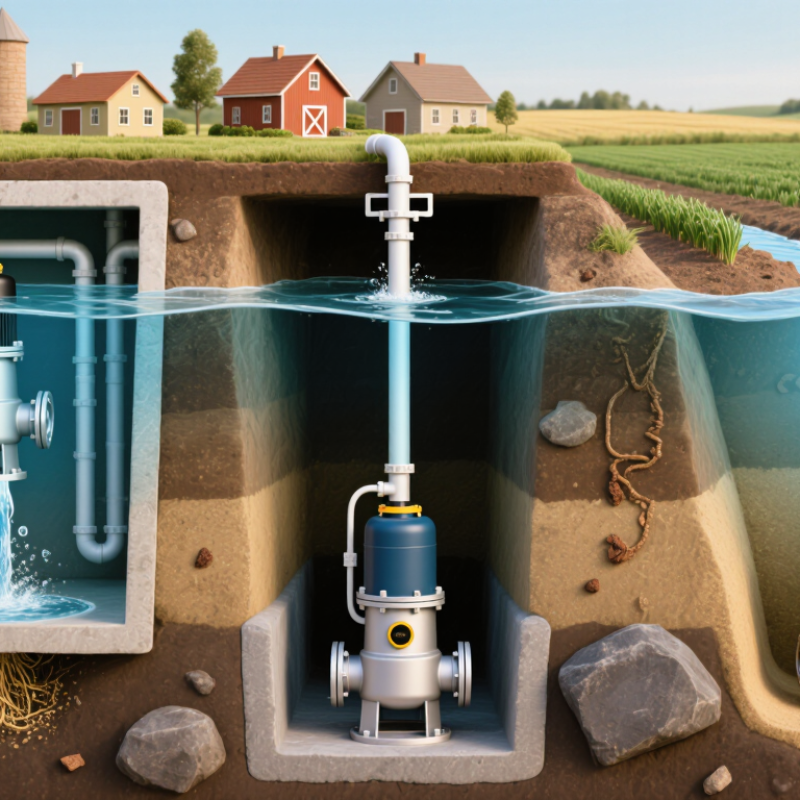
A submersible water pump operates below the waterline. Water enters through an intake near the pump’s base, where an electric motor turns an impeller. The spinning impeller increases water pressure and pushes it through a discharge pipe. Unlike a surface pump, it pushes water upward rather than relying on suction. That distinction matters. Submersion helps cool many pump motors, while sealed housings protect electrical components from water. Seals and cable connections still need inspection.
Choosing a pump means matching its flow rate and total dynamic head to the job. The U.S. Department of Energy’s 2006 industry sourcebook, Improving Pumping System Performance, estimates that pumping uses nearly 20% of global electricity. It also reports that pumps can account for 25–50% of energy use in some industrial facilities. These figures cover pumping systems broadly, not submersible pumps alone. Still, they show why sizing deserves care. Check the lift, pipe length, solids handling, and duty cycle. A clogged intake or narrow discharge hose can reduce delivery. A neat specification sheet may look convincing, but actual pit depth and pipe bends can complicate the calculation. I would measure on site rather than guess.
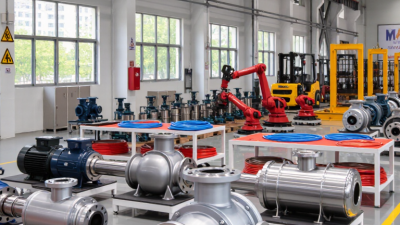
Submersible pumps are chosen by the liquid, solids, depth, and discharge distance—not horsepower alone. Clean-water utility pumps suit flooded rooms, rain barrels, and shallow pools. Their small intake screens can clog with leaves or grit, so check the water before use. Keep it clear.
Sump pumps manage water collected in a basement pit. A float switch can start the motor as the water rises, but it needs room to move freely. Drainage and dewatering pumps handle construction trenches, ponds, or stormwater; models differ in how much sediment they tolerate. Muddy water can wear parts faster than expected.
Sewage and wastewater pumps are built to pass larger solids through wider passages. They are intended for wastewater, not every liquid containing debris; check the stated solids capacity and installation guidance. Deep-well submersible pumps push water upward through a narrow riser, making them suitable for wells with sufficient diameter and depth. Measure the required flow and total lift, including pipe losses, before choosing. A pump that moves plenty of water near the surface may struggle at greater depth. There is no universal “best” type; matching the pump to the actual water and site conditions matters more.
What Is the Best Submersible Water Pump for 2026?
Key Specifications for Comparing Pump Performance
The best pump depends on the water, lift, and workload—not just its advertised power. Compare flow rate at your required discharge height, often called total head. A pump may move plenty of water near ground level but deliver much less through a long hose or uphill run. Check the performance chart, not only the maximum flow figure. Also note maximum head, motor wattage, duty cycle, and outlet size. These numbers describe different things. More watts alone do not guarantee faster drainage. For a basement sump, consider float-switch range, automatic restart, and thermal protection. For muddy water, check the permitted particle size and intake design. A narrow screen can clog. Annoyingly, product specifications do not always show how quickly that happens.
Tips: Measure the vertical lift and hose length before shopping. Allow for bends and friction. Match the pump’s solids rating to the water you expect, and confirm its immersion limit and cord reach. Keep the intake clear of loose debris.
Build and maintenance matter, too. Corrosion-resistant materials can help in damp, frequent-use settings, while a removable screen makes cleaning less awkward. Check whether replacement parts and service instructions are available. A pump that runs continuously may need a different duty rating than one used for brief drainage. Ratings can still be imperfect guides; real water conditions vary. If possible, size the pump with a modest flow margin, then verify its chart at your actual lift. An oversized pump can cycle too often, while an undersized one may leave water behind.
What Is the Best Submersible Water Pump for 2026?
How to Evaluate the Best Submersible Pumps for 2026
The best submersible pump is the one that meets your site’s flow and head requirements—not simply the one with the highest horsepower. Measure the vertical lift, pipe length, and expected water flow. Then check the pump curve at your operating point; a pump rated for high flow may deliver much less when pushing water uphill. The U.S. Department of Energy’s Improving Pumping System Performance sourcebook reports that pumping systems account for nearly 20% of global electricity demand. Efficiency matters over years of operation. Small details matter.
Compare materials, solids-handling capacity, duty cycle, and protection against overheating. For a basement sump, check whether the intake can pass expected debris and whether the float switch has room to move freely. For a well, verify the required flow at the actual pumping depth. A well-documented specification sheet helps, but real conditions can differ. I would leave some operating margin, while avoiding an oversized pump that may cycle too often.
Tips: Record the water level, discharge height, pipe diameter, and desired flow before comparing models. Check warranty terms and service access. If the pump will run continuously, ask a qualified installer to verify the pump curve and electrical supply.
These illustrative duty points show the ideal hydraulic power needed to move water at each flow rate and total head, calculated using water density of 1,000 kg/m³ and gravity of 9.81 m/s². Actual electrical input will be higher because pumps are not 100% efficient. To evaluate a pump, check its performance curve at your required flow and total head, along with solids-handling needs, materials, and protection features.
Choosing a submersible pump starts with the water source, not the largest flow number on a product sheet. A shallow sump, a deep well, and a rainwater tank create different demands. Measure the lift from the water’s operating level, then account for pipe length, bends, and outlet height. These losses add to total dynamic head. Match that figure to the flow your household or irrigation system actually needs.
There is no perfect shortcut. A well’s depth alone does not tell you its pumping level. The USGS report Estimated Use of Water in the United States in 2020 records 118 billion gallons per day withdrawn for irrigation nationwide; that scale highlights why needs vary widely, not what one property should pump. For equipment selection, Hydraulic Institute guidance in ANSI/HI 9.6.3 addresses operating regions for rotodynamic pumps. Check the pump curve, not just maximum flow. Also consider sediment, water temperature, run time, and whether a float switch or dry-run protection is needed. A muddy pit can clog a fine intake screen. A pump with extra capacity may cycle too often, and that detail is easy to miss.
| Pump Type | Best Suited Water Source | Typical Uses | Key Selection Factors | Important Limitations |
|---|---|---|---|---|
| Submersible well pump | Drilled wells and boreholes | Household water supply, livestock watering, and irrigation | Well diameter, static and pumping water levels, required flow, total dynamic head, and power supply | Must be sized to the well’s recovery rate and installed with suitable protection against dry running and sediment. |
| Deep-well multistage pump | Deep wells where water must be lifted through a substantial vertical distance | Domestic systems, farms, and other applications requiring pressurized water | Pump curve at the required head, motor rating, pipe size, and expected demand | A higher maximum-flow rating does not guarantee adequate flow at the installation’s actual head. |
| Drainage or utility pump | Basements, sumps, tanks, and shallow standing water | Flood cleanup, emptying tanks, and removing relatively clean or lightly dirty water | Discharge head, hose connection, automatic float switch, and minimum water level | Many models are not designed for solids, long continuous operation, or drinking-water service. |
| Solids-handling sewage pump | Sewage pits and wastewater sumps | Moving wastewater that contains solids through an appropriate discharge line | Permitted solids passage, discharge head, switch type, and wastewater compatibility | Not interchangeable with a clean-water pump; installation and servicing should follow local plumbing and safety requirements. |
| Effluent pump | Septic or treatment-system effluent chambers | Transferring treated or clarified wastewater where the system design permits pumping | System requirements, solids tolerance, lift height, and discharge-line size | Use only for the wastewater condition specified by the system designer; it may not handle raw sewage solids. |
| Pond or water-feature pump | Ponds, fountains, and decorative water features | Circulation, fountain displays, and some filtration setups | Required flow at the feature’s lift height, continuous-duty rating, and debris-screen design | A pump’s flow decreases as head and system resistance increase; match it to the feature or filter requirements. |
| Solar-powered submersible pump | Wells, boreholes, or storage sources at sites with suitable solar exposure | Remote livestock watering, irrigation, or filling a storage tank | Daily water demand, pumping head, solar array capacity, controller, and storage strategy | Output varies with sunlight and system design; confirm performance for the required head and operating conditions. |
Selection note: Compare pump performance at the required total dynamic head, not just the advertised maximum flow. Account for vertical lift, pipe friction, fittings, water quality, duty cycle, and the source’s sustainable yield. Follow the pump and electrical installation instructions and applicable local codes.